Jim Wallis: Faith Succeeding Where Politics Has Failed
LONDON – In an era of broken politics and bad religion, faith is making a serious comeback as a force for social change, says Christian author and speaker Jim Wallis.
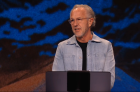
Speaking at the U.K. launch of his new book, "Seven Ways to Change the World," in central London Sunday night, Wallis said Christianity is reviving and that it is time for Christians to answer the two great spiritual hungers of the world today – the hunger for spirituality and the hunger for social justice.
"The connection between the two is the one the world is waiting for," he said.

Get Our Latest News for FREE
Wallis admitted that Christianity's reputation as hypocritical, judgmental and otherworldly posed "some image problems," and that the likes of televangelists and pedophile priests had created "baggage."
"People are confused about what we think and what we believe," he said.
Wallis painted a positive picture, however, of Christianity coming back from the margins as the answer to some of the world's biggest challenges, including poverty, human trafficking, environmental degradation and amoral culture.
"Politics is broken. Politics is failing to address the great moral issues of the time. When that happens, social movements rise up to change politics and the best social movements always have spiritual foundations," he said.
Wallis pointed to the great changes that movements rooted in Christianity had already made in history, including the abolition of the slave trade, child labor law reform, and women's suffrage.
He told the audience, "Things no one thought could change became possible to change because of movements, and every single self reform movement … didn't succeed without the significant involvement of people of faith."
Today's generation of believers could make the same difference, he insisted.
"Your generation is applying your faith to the biggest challenges we face in our time – and that's the good news."
Wallis, who heads the U.S.-based Christian network Sojourners, acknowledged that the challenges in today's world are huge, but encouraged believers to rely on their faith to make the difference.
"What [these issues] feel like are mountains, but you know what? That's why we call it faith. That's the whole point," he said. "The Bible says if you've got faith the size of a mustard seed, what can you move? Mountains. Movements are in the mountain-moving business."
Wallis pointed to his new book, which calls Christians to make seven commitments that he believes will dramatically change the world.
"These big seven challenges require commitments from people of faith and if we make these commitments maybe this will be one of those moments of great awakening of revival when faith comes alive."
He spoke of a "tipping point" when "the problem yields to solutions," but stressed that the commitment to social engagement had to first begin on the individual level and within the home.
"If you are not doing it on the home front, forget it," said Wallis.
"It's millions of commitments from people to the movement that make the big change possible."
He urged churches to "lead by example" and not bend to fit politicians' agendas, but compel the politicians to fit the church's agenda.
"[Martin Luther] King and [Mahatma] Ghandi knew you have to change the wind," he said. "But change the wind and it's remarkable how quickly they (politicians) respond. They have an agenda. We can't just fit into their agenda. We have to have an agenda that they respond to. That's what movements have done …. That's the big possibility."
Wallis also appealed to Christians not to fall into cynicism but to continue to have hope in change.
"The big choice is the choice between hope and cynicism," he said.
"[Cynics] are against all the bad stuff but you don't think it could ever change. And so your cynicism becomes a buffer against commitment.
"Hope on the other hand isn't a feeling or a personality type. Hope is a choice people make, a decision they make, because of the thing we call faith. Hebrews says faith is the substance of things hoped for … hope means believing in spite of the evidence and then watching the evidence change."
Christians need to invest their time, money, talents and faith into making change happen, Wallis stressed.
"If you don't put everything into it, there won't be any movements that change much of anything. But if you do, there is no telling what this generation will accomplish."
He concluded: "We've seen a lot of bad religion. Bad religion pulls up the worst stuff. But good religion brings out our best stuff – the compassion of Christ, a hunger for justice …. Good religion is the answer to bad religion. That time is coming again."
Wallis was joined on the platform by Steve Chalke, the founder of Christian movement Faithworks, which hosted the evening.
He echoed Wallis' sentiments, saying, "Jim is right, politics is broken. Politics isn't working."
Chalke admitted however that "our (Christians') theology is broken a lot of the time" and spoke of the need for a move away from "disembodied and spiritual good news" towards a more socially engaged and holistic theology.
"We have got to read our Bibles more closely than we have done and engage more fiercely than we have done," he told the audience, adding, "Faith isn't about an escape and materialism."
Chalke also told Christians that they have nothing to fear from new atheists like Richard Dawkins, author of the God Delusion, saying the fact that Dawkins recently identified himself as a "cultural Christian" was tantamount to an admission that atheism is morally bankrupt.
"Secular humanism is going to produce a moral desert," he said.
In an age where Christians no longer hold power in society, Christians "are going to have to demonstrate faith," he continued.
"What actually matters is who delivers something down on the ground. That's the challenge to us."