Personhood Amendment: Addressing the Major Ethical Issues Surrounding the Anti-Abortion Bill
There is major debate surrounding the Personhood Amendment bill in Mississippi, which has left residents, politicians and advocacy groups asking complicated ethical questions surrounding abortion, reproductive rights and contraception.
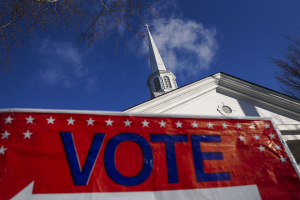
On Nov. 8, Mississippians will vote on Amendment 26; an anti-abortion measure that would make them the first state to instate the Personhood Amendment, which legally defines a person as existing at the moment of fertilization.
If passed, the bill will define the terms “person” and “persons” as used in the Mississippi Constitution to “include every human being from the moment of fertilization.”

Get Our Latest News for FREE
Blogger Ann Rose offered an opinion shared by many discussing the bill when she wrote, “Personhood Amendment would give a fertilized egg more rights than a live born woman, and would outlaw abortion and birth control,” on RH Reality Check, an online community committed to advancing sexual and reproductive health.
But will Personhood Amendment really outlaw abortion and birth control?
A campaign called Yes to 26 addressed these questions with a fact sheet on its website with frequently asked questions including one about the bill's perceived ban on contraception.
It said, “The Personhood Amendment bill will not ban the use of hormonal contraceptives, including most forms of the pill. However, drugs such as RU486, which allow a baby to be conceived and then expelled, will be banned.”
The proposal has earned the support of both the Democratic and Republican candidates for governor, the majority of general candidates, a host of other state leaders and local religious figureheads.
If the personhood amendment passes, anti-abortion activists and voters across the state hope the amendment helps build momentum for a broader national assault on Roe vs. Wade as well as the beginning of the end for abortion rights as established under the U.S. Supreme Court’s landmark ruling.
"Part of the concern is that it's not entirely clear what will happen if this passes," said Mississippi College School of Law professor Jonathan Will, who leads MC's Bioethics and Health Law Center in The Clarion Ledger.
According to the LA Times, this ballot would outlaw abortion, even in the cases of rape and incest. Under various interpretations of the amendment, it could outlaw some current fertility treatments, as well as some forms of birth control pills and contraceptive devices, such as the IUD, because they can - in some cases - prevent fertilized eggs from attaching to the womb.
According to their website, Yes to 26 campaign does not advocate for the use of contraceptives but unequivocally states that Personhood will not outlaw the pill.
Yesto26.org addresses the case of rape or incest by saying, “Personhood will prevent a baby conceived through rape and incest being executed for the crime. Women who have borne a child conceived in rape testify that the baby is a blessing rather than a continuation of the assault, and playing the child for adoption remains an option.”
One supporter of the bill is Cal Zastro a pro-life advocate and former leader at Personhood USA. Zastro said, “We must create enabling legislation to criminalize surgical and chemical abortion – every drug, every surgery designed to murder.”
Reports say similar propositions will be featured on ballots in Florida, South Dakota and Ohio in 2012. In recent years, voters in Colorado rejected the bill twice.