'We're in business to be a glorifier of God': Chick-fil-A CEO talks decision to close on Sundays, LGBT controversy

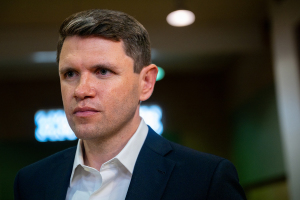
Chick-fil-A CEO Andrew Cathy says the chain now prioritizes welcoming all customers through food and service after reflecting on a turbulent chapter in the company’s history involving public opposition to same-sex marriage.
Cathy, who followed in his father and grandfather's footsteps and became CEO in 2021, told NBC's "Today" his family tradition as Southern Baptists was a key factor in the decision to close Chick-fil-A on Sundays.
“My grandfather, my great-uncle, Ben, when they started that little restaurant back in Atlanta, it was very common back in the 1940s that a lot of places were closed on Sunday,” said Cathy. “They had to do that. They wanted to have a chance to take a break, go to church, and for others just to take some rest.”
The decision to stay closed on Sunday has endured, said Cathy, because it’s central to Chick-fil-A’s corporate DNA.
“It was a company that was built on God, if you will, and that still seems to be very much a part of the DNA of Chick-fil-A,” he added. “It is our anchor, in the sense of what our corporate purpose states, that we're in business to be a glorifier of God.”
The corporate purpose of Chick-fil-A came under intense scrutiny in 2012 when Cathy’s father, then-CEO Dan Cathy, publicly stated the company’s opposition to gay marriage. Public documents later revealed that Chick-fil-A had donated millions of dollars to conservative Christian organizations whose biblical values ran contrary to the LGBT movement.
At the time, Dan Cathy’s remarks triggered widespread protests, boycotts, and political pushback from both supporters and critics. While he never altered his personal position on gay marriage, Dan Cathy later expressed regret for drawing the company into the public debate.
The episode left a lasting mark on the brand’s public image, if not its revenues: in 2012, the company's sales totaled roughly $4.6 billion, and by 2019, they had grown to nearly $11 billion.
When asked what he would say to those who protested or boycotted Chick-fil-A over the issue, Andrew Cathy focused on the brand’s trademark hospitality rather than revisiting the policy debate. “For anybody that hasn’t tried us, we would love for you to come try us and have our great-tasting food and the hospitality that we’re known for,” he said. “Everybody that’s willing to walk in the door, they’re welcome to come eat with us. We would love to give them a great-tasting sandwich and great hospitality.”
Cathy appeared reluctant to dwell at length on that period in the company’s past. When pressed on Chick-fil-A’s official position on LGBT issues today, he redirected the conversation toward core business priorities. “We’re focused on hospitality,” he replied. “Serving great-tasting food.”
The segment drew criticism from former “Today” anchor Katie Couric, who called his answer a “non answer answer,” and from the conservative media watchdog NewsBusters, which called the segment an “ambush.”
In a CNBC interview last week, Cathy also appeared to shy away from any commitment to replacing human employees with artificial intelligence (AI) technology.
When it comes to behind-the-scenes application of AI, Cathy said his company will take a “human plus” approach to the technology at their chicken sandwich-centered restaurants.
“We think about all these new things into the future, about how will people want to receive food in the future?” Cathy told the outlet. “As you think about drone delivery and all the other kind of things that could be coming, it’s a fun time in the industry, to think about all the possibilities of what we can do to make a better experience for our guests.”
Ian M. Giatti is a reporter for The Christian Post. He can be reached at: ian.giatti@christianpost.com.