This content is paid for by an advertiser and published by CP Brand Solutions. The Christian Post newsroom was not involved in creating this content. Learn more about CP Brand Solutions.


$20 Protects 20 People From Blindness. In June, It Doubles.
For 26 years, Anastazia lived in darkness. The first face she ever saw clearly was her six-month-old son's, minutes after a surgery she could never have afforded. Her story is the work of Cure Blindness Project: training local doctors where there were none, preventing blindness before it takes hold and restoring sight when it's already lost. One mission. Millions of lives. A world where no one is needlessly blind.
The Moment Everything Changes
The first face Anastazia saw was her six-month-old son's.
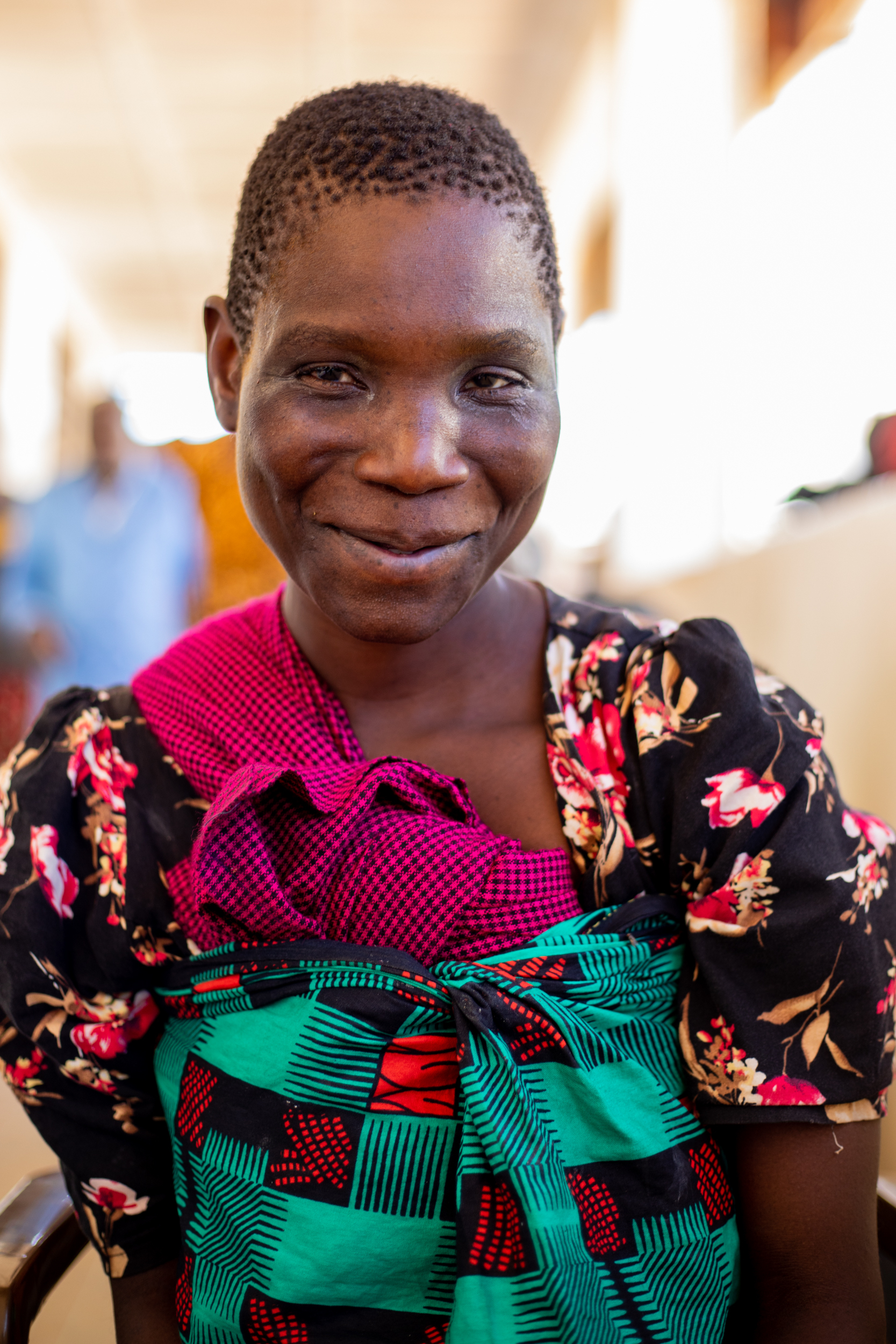
She was 26 years old. For her entire life, every birthday, every harvest, every step she took through her village in Tanzania's Mbeya region, the world had been a blur of shadow and light. She had two children she had never seen. A home she had never seen. A reflection she had never seen.
Then a village chairman knocked on her door and told her about a free outreach program at the Chunya Regional Hospital. A team of surgeons. A procedure that takes minutes. A cost she did not have to pay.
"Everything that seemed impossible before," she says, "is now within my reach."
This is the work of Cure Blindness Project.
The Problem Nobody Talks About
Across the world, more than 43 million people are blind. Eighty percent of that blindness is treatable or preventable. Nine out of ten of those people live in low- and middle-income countries where the solutions are often out of reach.
The cost of being blind in those places is immense. Most blind adults in poor communities cannot work, and entire families slide deeper into poverty caring for a member who cannot care for themselves, exactly what Anastazia describes when she talks about feeling like a burden for 26 years.
The cruelest statistic in global health is this: the overwhelming majority of that blindness is preventable or curable. Cataracts, the leading cause, can be reversed in minutes by a trained surgeon. Trachoma can be wiped out with antibiotics and basic hygiene. Diabetic retinopathy can be caught and managed before it ever steals a single letter from the eye chart.
The reason millions still go blind is not because medicine doesn't have the answer. It's because the answer hasn't reached them.
Stop Blindness Before It Starts
The most powerful surgery is the one that never has to happen.
Long before anyone reaches an operating table, Cure Blindness Project works to stop avoidable blindness at the source, and this is where a small gift travels the farthest. To date, the organization has conducted more than 19.1 million screenings and basic treatments in classrooms, village squares, and rural clinics where ophthalmologists rarely set foot.
Community health workers, many of them women, are trained to spot the early warning signs in a child's eyes before a curable condition becomes a life sentence. Infections get treated before they scar. Glaucoma gets caught before it silently destroys peripheral vision.
Prevention is the work that often goes unnoticed. It is also where your $20 goes the farthest.
Train the People Who Stay
You cannot fly enough Western doctors into rural Tanzania, Ghana, Ethiopia or Nepal to solve this problem. The math simply doesn't work. The only sustainable answer is to train the people who already live there and to train them to a standard so high that the care they deliver rivals anything available in Boston or London.
That is the foundation of Cure Blindness Project's model. To date, the organization has trained more than 20,100 eye care professionals, including 644 ophthalmologists, in everything from cataract surgery and corneal transplantation to pediatric eye care, glaucoma management and surgical retina.
They run a virtual classroom that connects residents in Bhutan, Ethiopia, Ghana, Nepal, Rwanda, Somaliland, South Sudan, Uganda and Zambia with world-class faculty for biweekly lectures. They place fellows in sub-specialty rotations across Asia, Africa, North America and the Middle East. They train the surgeons who will train the next generation of surgeons.
"Our efforts to enhance tertiary care training are also creating the local leaders who will shape the next generation of ophthalmologists in their respective country," says Dr. Matthew Oliva, Board Chair of the Cure Blindness Project.
Restore What's Been Lost
And then there are the surgeries. 2 million of them and counting.
Cure Blindness Project's high-volume, high-quality cataract surgery model has been studied, replicated and adopted around the world. It is fast. It is safe. It produces outcomes that match the best hospitals in the developed world. And it is breathtakingly affordable: a complete sight-restoring cataract surgery, all-in, costs about $70. The materials alone cost just $25.
That is the entire economic distance between a life like the one Anastazia lived for 26 years and the life she lives now: $70.
How You Can Help, and Why June Matters
Curing blindness costs about $70. Preventing it costs far less: just $1 a person.
That's the whole case for giving. A little, early, goes a very long way.
And in June, every dollar you give will be matched.
$20 becomes $40. Twenty people become forty.
There is almost no other gift you can make this year where the dollars travel this far or the impact lands this hard. For the cost of one delivery dinner, you can protect the eyesight of forty people.
A World Where No One Is Needlessly Blind
Charity Navigator has awarded Cure Blindness Project four stars. Candid has given it a Platinum Seal of Transparency. 60 Minutes, The New York Times, National Geographic and NPR have all told this story, because the story continues to be worth telling.
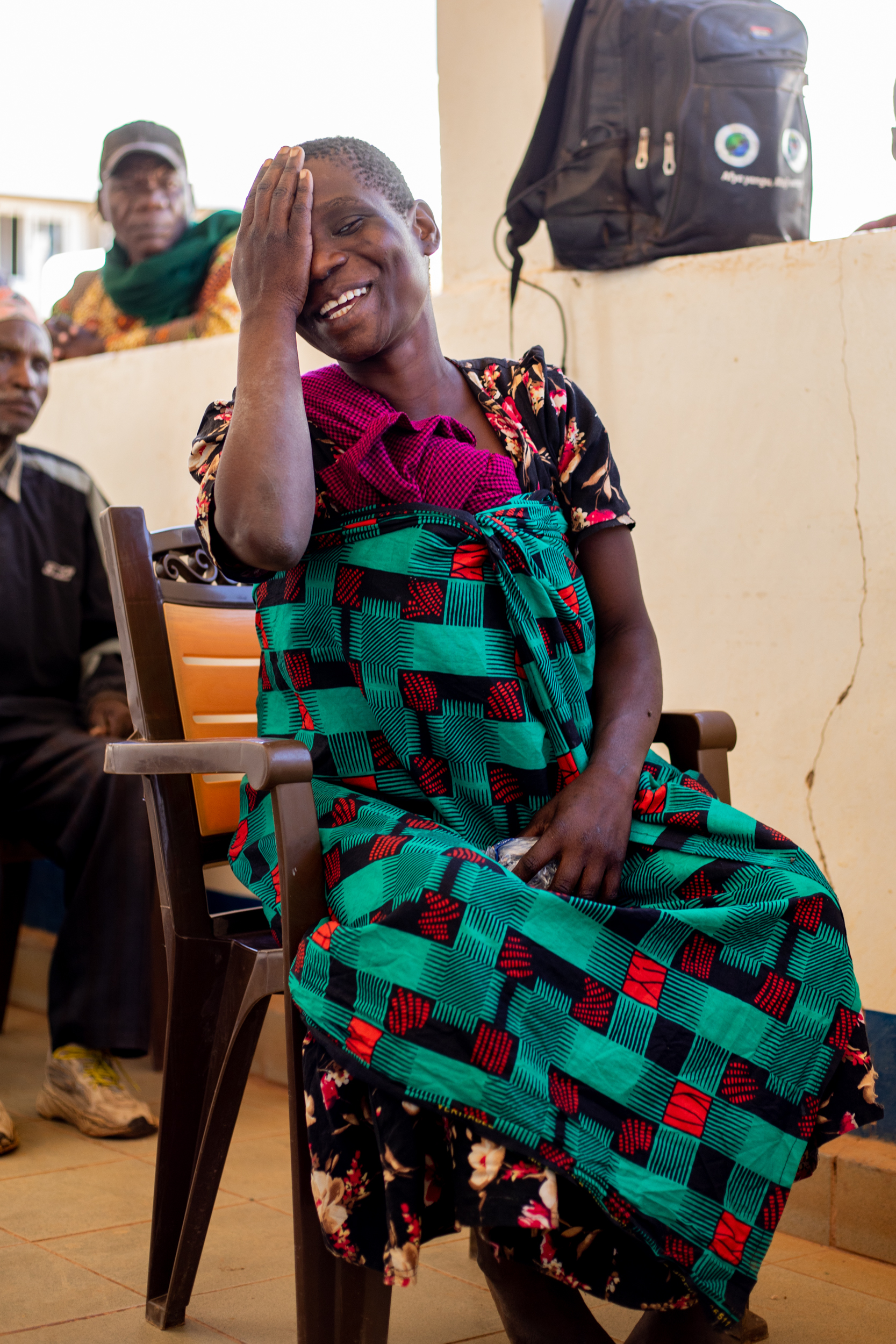
But the most compelling case has always been a face. Anastazia's, when the bandages come off. Her son's, finally seen. The seven-year-old daughter Anastazia had spent years imagining and was about to experience seeing for the first time.
There are millions of people right now living in the world Anastazia used to live in. The screening teams are mobilized. The community health workers are trained. The surgeons are ready. The only thing missing is the funding to reach them.
This June, your gift goes twice as far.