This content is paid for by an advertiser and published by CP Brand Solutions. The Christian Post newsroom was not involved in creating this content. Learn more about CP Brand Solutions.


How Your Church Can Reach Families Through Sports Ministry
An intentional way to create repeated touchpoints with children, parents, and families, while keeping ministry leadership with the local church.
What If Outreach Created Relationships, Not Just Attendance?
Church calendars are full of meaningful ways to welcome families: Vacation Bible School, Easter events, fall festivals, service projects, and more. Those ministries matter. But many church leaders also wrestle with a harder question: How do we move from meeting a family once to actually knowing them?
Relationships usually need time. They grow when names become familiar, conversations continue, children feel known, and parents see the same caring adults week after week. That is where sports can create a different kind of ministry opportunity. Instead of asking a family to attend one event, a church can give them a reason to return to the same field, gym, or gathering place over an entire season.

Sports ministry is not a replacement for those other moments, and it is not a formula for attendance or conversion. Its advantage is repetition: practices and games create more opportunities to serve, listen, invite, and share the Gospel with the same families over time.
The Challenge Isn't Reaching Families Once - It's Getting to Know Them
Upward Sports' current church-leader materials describe leagues that typically include practices and game days across roughly six to 12 weeks. That cadence matters. It creates repeated touchpoints with children, but just as importantly, with the parents and family members who bring them, cheer for them, volunteer, and make decisions about where their family builds community.
The scale of that opportunity is significant. Upward reports that more than 225,000 players participated in an Upward league across the country last year. In an average league, 41% of players indicate no church affiliation, and one player typically brings three to four family members to game day.

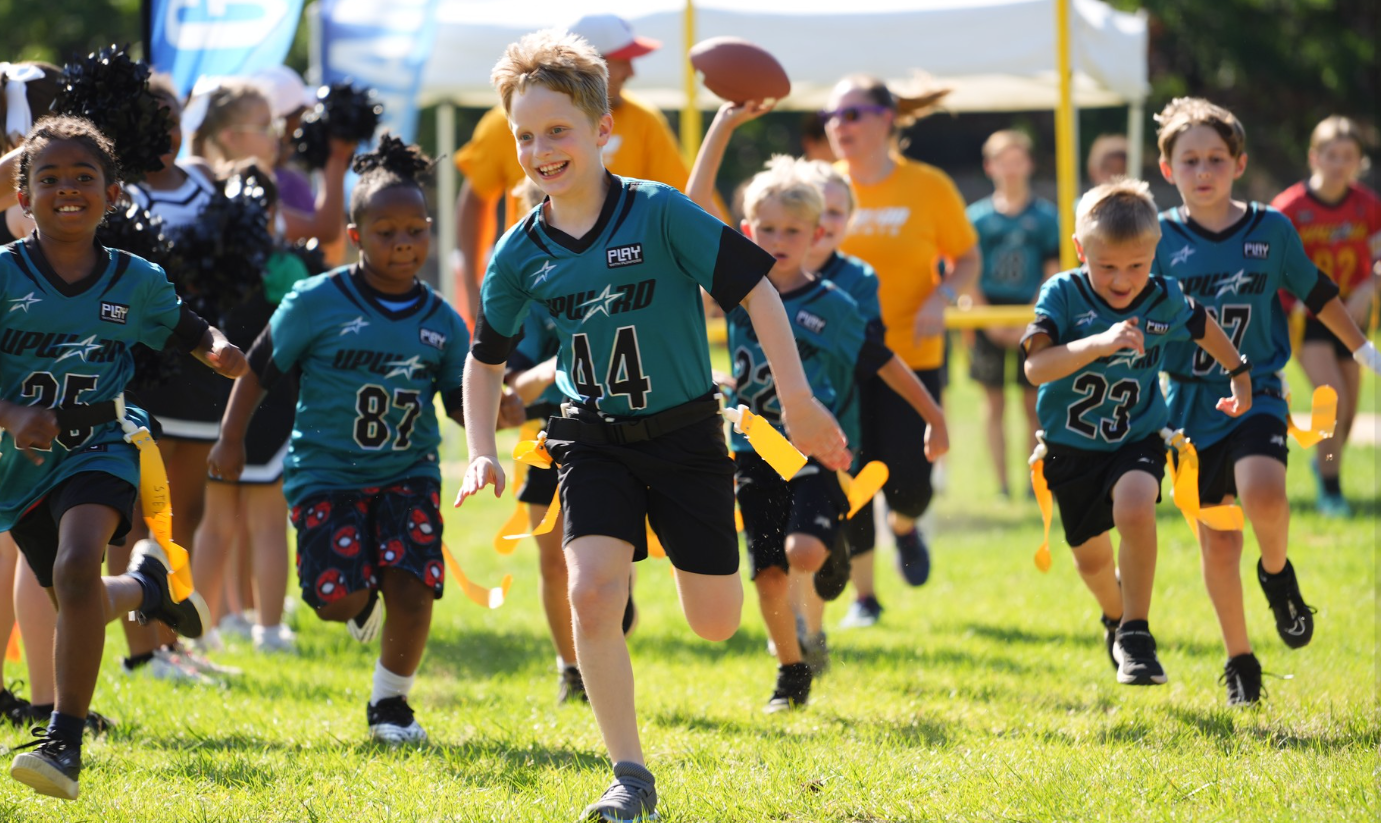
Those figures describe access, not outcomes. Upward cannot promise that a family will join a church or that someone will come to faith because a league exists. What the model can provide is an evangelism environment: repeated, natural contact with people who may not be walking through the church doors on Sunday, along with more opportunities to plant seeds, build trust, and share the Gospel faithfully.
That whole-family dynamic is one of the strongest reasons sports can work as ministry outreach. A child may be excited to play, but parents and caregivers shape where a family spends its time and which relationships continue. Pastors and ministry leaders can be on the field or in the gym with them—not only as the person at the front of a sanctuary, but as the coach, volunteer, or familiar face they recognize around town.

Sports Can Create a Different Rhythm of Ministry
For many leaders, the appeal of sports ministry is followed almost immediately by an operational question: Who is going to run all of this?
Upward's model is built around the local church remaining in the lead. It is the church's league and the church's ministry. Church volunteers bring the experience to life, while Upward provides the framework and resources that keep leaders from having to invent the program from scratch.
That support includes league-management technology, training, sport-specific resources, communication and marketing tools, weekly devotion materials, Gospel-presentation resources, and ongoing guidance. Churches can customize player packages, and Upward states that there are no annual or yearly membership fees; the model is designed to be self-sustaining.
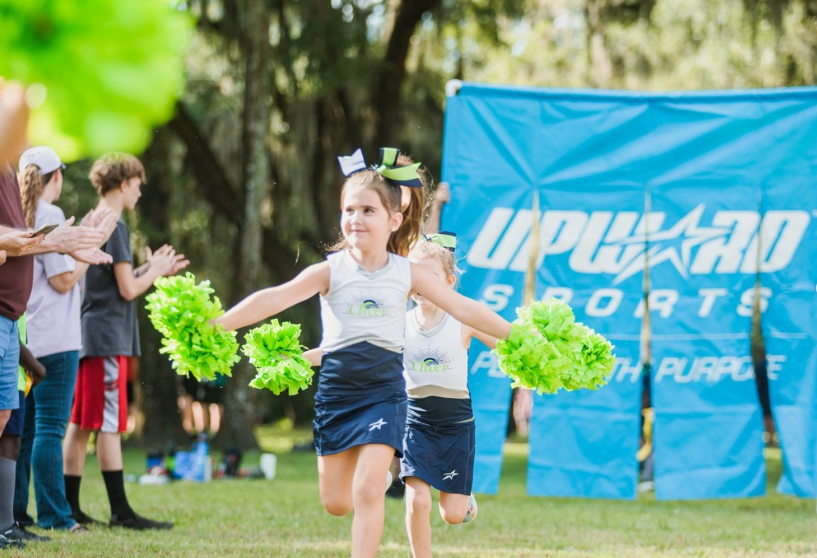
The sport itself still has to matter. Upward describes the goal as a first-class, organized, intentional sports experience. That is an important balance: sports is the bridge, not bait. Families should encounter a league that is well run, welcoming, and worth returning to. The athletic experience creates the relationship; intentional ministry gives that relationship a Gospel purpose.
“Discover how a small church with just 30 members and 2 staff is making a huge impact in their community.”
Facilities can be more flexible than some leaders assume. Upward encourages churches to explore what is possible with access to a gym, field, or, for some program formats, even a parking lot. Not every space works for every sport, but a church does not necessarily need to own a major athletic complex before starting the conversation. Upward can help leaders evaluate the sport, space, timeline, volunteers, and other practical requirements before a launch decision is made.
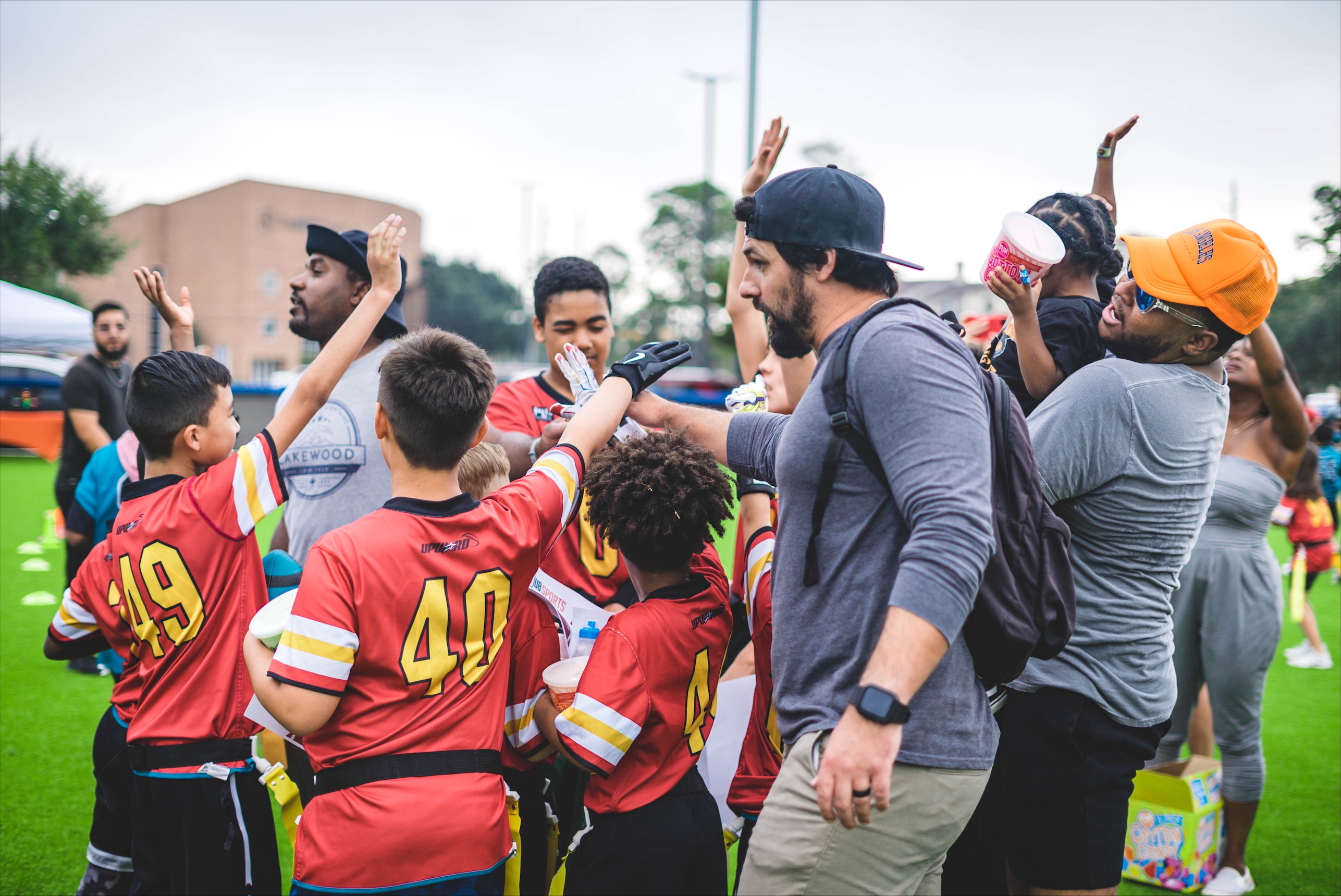
Churches can currently explore options including basketball, flag football, soccer, volleyball, baseball, softball, cheerleading, and pickleball. Upward describes its mission as "Promoting the Discovery of Jesus Through Sports." The point is not to choose between an excellent sports experience and the Great Commission; it is to use the former in service of the latter.
See what Upward could look like at your church, including program options, planning resources, and next steps.

What This Can Look Like at a Local Church
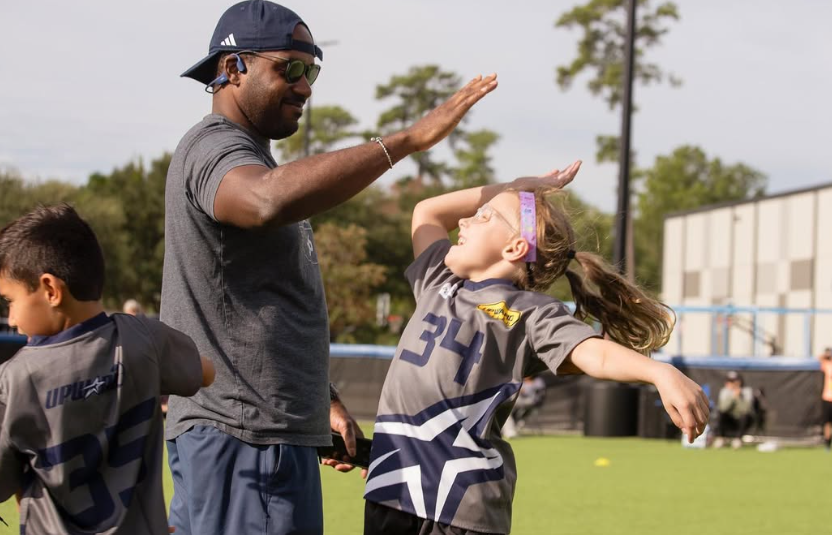
Kip Gingrich did not first encounter Upward Sports as a pastor. He entered an Upward basketball league as a coach because he loved his kids and the game. At the time, he had not yet placed his faith in Christ.
The sports environment gave him a way to enter church relationships without the barriers he had previously associated with church.
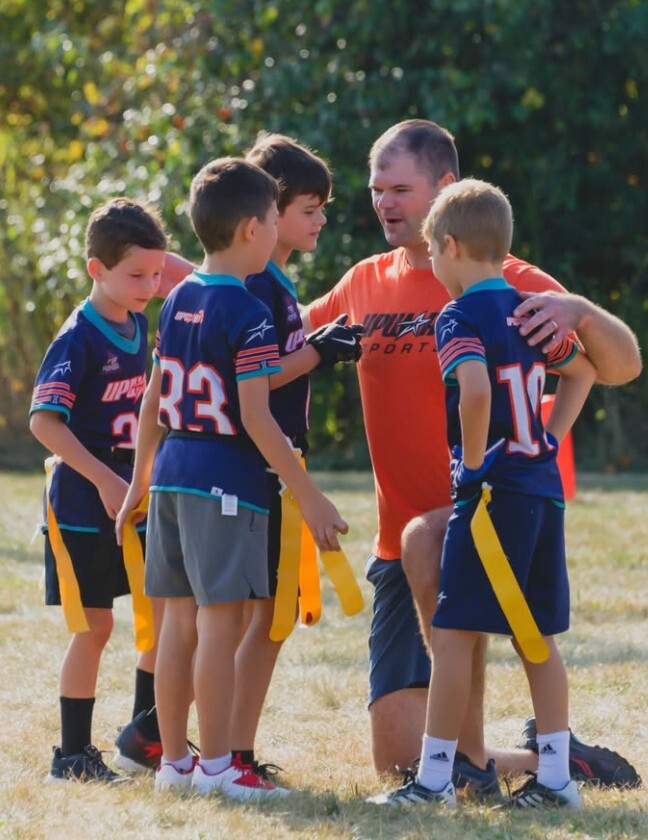
"Sports was a great way to disarm my preconceived ideas of church and bring me in through a less threatening way," Gingrich has said.
One year after he began coaching, Gingrich surrendered his life to Jesus. Today he serves as Pastor of Student Ministry at Northside Church in Liverpool, New York, and continues to lead sports ministry. His approach reaches beyond players: coaches and families are part of the discipleship environment, too. His story is a concrete example of the opportunity Upward describes - sports opening a door to relationship, relationship opening a door to the Gospel, and ministry continuing long after the final whistle.
Not every story will unfold that way, and Upward is careful not to promise that it will. Sometimes a seed is planted in one season and bears fruit much later. The ministry opportunity is to create the relationship and faithfully use it.
Grace Church in Morton, Illinois, shows what the same philosophy can look like at scale. In a season featured by Upward, the church served 430 participants and had another 100 children on a waiting list; roughly half of the participants did not have a church home. Children's Ministry Pastor Brad Habegger has described being recognized by families at the gas station or grocery store as 'the Upward guy'—a small but telling sign that the ministry has made the church and its leaders more familiar to local families.

"Far better than a one-night event is an experience that you can provide families and communities," Habegger said.
Grace's experience also shows why quality should come before size. Habegger's advice to new leagues is to serve the families they have well, even if a first season starts small, then grow responsibly. The point is not to manufacture a huge program overnight. It is to build a healthy volunteer culture, provide a credible sports experience, and create enough repeated contact for real relationships to form.
Could Sports Ministry Fit Your Church?
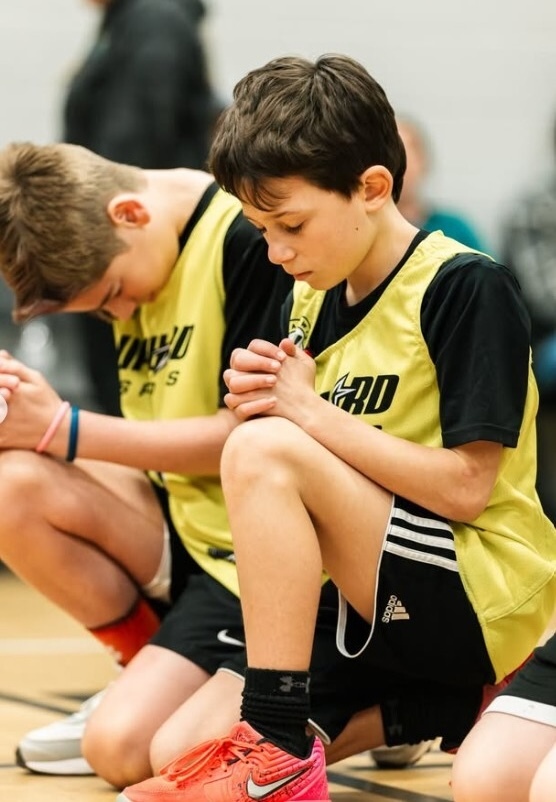
A church leader does not have to decide today whether to launch a league. A better first question may be: Could sports help us build relationships with families we want to know, serve, and share the Gospel with?
A useful next conversation is practical. Who would champion the ministry? What gym, field, or other space could the church use? Which sport fits the families nearby? How much volunteer leadership is realistic? What first-season scale would let the church do it well? Upward can help leadership work through those questions before a launch decision is made.
If you are not the person who would lead or approve a sports ministry, that does not make the article irrelevant to you. Share it with your senior pastor, executive pastor, family-ministry leader, or ministry outreach team and ask: Could this help us reach families we are not reaching now?
The opportunity is not merely to add another activity to the calendar. It is to create a first-class sports experience that gives children and parents a reason to return, gives relationships time to grow, and gives your church repeated opportunities to know people, serve them well, and share the Gospel.