Church in Wales votes to make same-sex blessings permanent

The Church in Wales Governing Body has voted to make same-sex blessings permanent following a five-year trial period in which they were allowed on a temporary basis.
The vote during a meeting in Llandudno on Thursday is likely to lead some Welsh Anglicans to leave the denomination or seek alternative episcopal oversight.
The motion makes the blessings permanent by incorporating a rite for the blessing of same-sex marriages and partnerships into the Book of Common Prayer. It passed overwhelmingly.
The measure needed a two-thirds majority of each of the Orders which comprise the Governing Body: bishops, clergy and laity. All five bishops voted in favor. The clergy voted 32 to 7 in favor, with 5 abstentions, and the laity 48 to 8 in favor, with 2 abstentions.
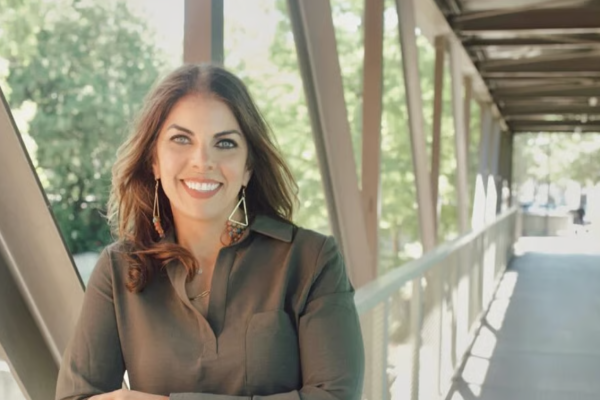
The vote comes as little surprise given the denomination's recent appointment of Cherry Vann as its first openly gay Archbishop of Wales, and a majority “in favor of the view that the time is right to offer equal marriage," according to a pastoral letter from the bishops last December.
Vann welcomed the outcome, saying, “I want to thank everyone for the ways in which this debate was conducted — calmly, and with mutual respect. The Bench of Bishops and I recognize that this is an issue about which people hold strong convictions.
"We want everybody to be able to hold their views with integrity while not losing sight of the image of God that resides in all of us. We want to build a church that can make space for each other, whatever our different perspectives.”
The measure does not allow clergy to conduct wedding ceremonies for same-sex couples. The blessings are available for couples who have already entered into marriage or a civil partnership elsewhere.
However, plans are afoot to bring forward legislation in April 2027 that will allow clergy to conduct same-sex weddings.
Amendments to Thursday's measure were approved to protect clergy, ordinands and lay Anglicans who cannot in good conscience take part in such services of blessing.
The amendments were put forward by Andy Kitchen, a member of the clergy in St Asaph Diocese, who said they were intended to safeguard the principle of conscientious objection.
"I believe, along with colleagues who hold similar concerns, that these additions are essential [because] they provide the necessary assurance that the protections and provisions promised will hold the same permanence and clarity in the lived practice of the Church in Wales as the liturgy itself," he said.
He added that the amendments would "offset an unintended consequence of the bill — the narrowing of the Church in Wales and diminishing of its ministry."
A number of amendments put forward by Della Nelson to remove marriage-like language, including the word 'covenant,' from the Order of Service, were rejected.
She had said in her explanatory note: "Language of union, covenant, binding and lifelong covenantal commitment, together with symbolic actions closely associated with marriage, carries established theological and liturgical meaning within the Church’s doctrine and practice and functions publicly as signs of marriage.
"Their use within a rite explicitly described as not being a marriage service risks obscuring the distinction the bishops have sought to maintain and may lead couples and congregations to conclude that the Church is unclear about its teaching on marriage, or that it is, in effect, offering marriage under another name.
"The proposed amendments, therefore, seek to ensure that the rite functions clearly and honestly as a pastoral provision of prayer and blessing, focused on guidance, faithfulness and God’s sustaining grace, while avoiding marriage-specific language and symbolism. In doing so, they uphold the permissive character of the provision, respect conscience, preserve unity and remain consistent with the principles set out in the bishops’ own Explanatory Memorandum."
Matthew Firth, an assistant bishop in the Free Church of England, said that Evangelical Anglicans in Wales will be "devastated today by this departure from the faith and will be looking for biblical alternative episcopal oversight."
"My door is always open to clergy, congregations and ordinands. Please do be in touch," he said.
Vann said soon after her appointment as archbishop of Wales that some Anglicans had decided to leave the Church in Wales because they could not accept her leadership.
Anglican Futures, an organization supporting orthodox Anglicans, said "fractures in the Anglican Communion will further deepen" with the passing of this motion.
It noted that there is no system in place for clergy or congregations to refuse to allow their buildings to be used to host same-sex blessing services, and that if asked, clergy must still pass on an interested couple to the diocesan bishop or ensure that another member of their team or a visiting clergy person offers the service in their place.
"Both the detail of the bill that has passed and the way in which it has been introduced speak volumes, and it is impossible to draw any other conclusion than that only some 'differences' are worthy of value and honor in the Church in Wales, only some are worthy of 'inclusion,'" Anglican Futures said.
"There are many courageous Anglicans in Wales. Some were prepared to raise their hands and voices to uphold truth at the Governing Body this week, [while] others have walked away to ensure their flocks are feeding on safe pasture in the Anglican Convocation in Europe. Both need the prayers and support of their brothers and sisters in the rest of the Anglican world."
This article was originally published at Christian Today