Dear Christians, stop promising hurting friends it will get better

When someone we love is waiting for difficult news, we want to offer comfort. We’d like to say something that makes the next few minutes easier. Sometimes we reach for a confident prediction: things will turn around, the answer is coming, or everything will work out soon.
We mean well. But do we know that’s what will happen?
As Christians, we need to be careful about presenting the outcome we want as something God has promised. Someone who’s already carrying disappointment shouldn’t also have to carry an assurance we had no authority to give.
Christian hope gives us firmer ground than a prediction about tomorrow. It rests in God’s faithfulness and in the living hope we have through the power of Christ’s resurrection. We can speak confidently about Him without pretending we know what comes next in someone else’s life.
In chapter 10 of Divine Gratitude, I distinguish hope grounded in God from hope that depends on our circumstances changing. That difference matters when we’ve prayed, and things still haven’t changed.
We can pray sincerely and still wait. We can trust Christ and still grieve. We can believe in the resurrection and still find today difficult to face.
There needs to be room for that honesty in our churches, our friendships, and our families.
Let’s begin by listening
Before we offer an explanation, let’s ask how the person is doing and give them time to answer.
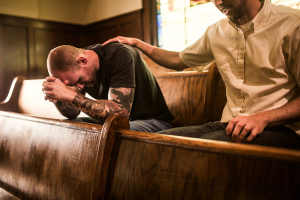
They may want to talk. They may need practical help. Or they may simply want us to sit beside them and hold their hand.
We don’t always need to interpret what someone’s going through. We may not understand why the wait has lingered. Sometimes being quiet is more faithful than offering a spiritual platitude that goes beyond what we know.
We can admit, “I don’t know why this is taking so long. But I care, and I’m here.”
We can also pray together. We can ask for the outcome they’re hoping for without promising it. We can ask for wisdom, endurance, comfort, and companionship while the uncertainty continues.
Those prayers give us room to express what we want while acknowledging how much we depend on God.
Hope should shape the care we offer
Romans 15:13 (ESV) says, “May the God of hope fill you with all joy and peace in believing, so that by the power of the Holy Spirit you may abound in hope.”
Paul directs us to God as the source of hope and to the Holy Spirit’s power. We aren’t being asked to produce a cheerful outlook so that everyone around us feels more comfortable.
That should affect how we respond when someone’s hurting.
If they can’t find encouraging words today, we can offer our presence. If they don’t feel ready to talk, we don’t have to fill the silence. We can return after the first conversation and keep the practical commitments we’ve made.
A visit, a meal, or a promised phone call may seem ordinary. But keeping those commitments tells someone that we haven’t forgotten them.
Gratitude belongs in these conversations, too. Still, it shouldn’t become an assignment we give someone because we’re uncomfortable with their pain.
We can help one another remember God’s care while making room to speak about what still hurts. Thankfulness and grief don’t need to compete for permission to be spoken.
We can be honest about what we’re hoping for
We want good news. We long for restored relationships and opportunities we’ve waited years to see. There’s nothing wrong with bringing those desires to God.
Christian hope gives us a foundation deeper than whether those desires are fulfilled in the way we expect.
First Peter 1:3–4 (ESV) reminds us:
“Blessed be the God and Father of our Lord Jesus Christ! According to His great mercy, He has caused us to be born again to a living hope through the resurrection of Jesus Christ from the dead, to an inheritance that is imperishable, undefiled, and unfading, kept in Heaven for you.”
That’s a hope we can affirm without guessing about tomorrow’s news. Our future with Christ rests on what He’s done, even when we can’t see how our present circumstances will unfold.
That assurance should make our encouragement more truthful and our care more patient.
Instead of predicting when a breakthrough will come, we can commit to a visit. Instead of explaining God’s hidden purposes, we can open Scripture together. Instead of expecting a confident testimony, we can listen to a hesitant prayer.
We don’t need to diminish the future God promises to take today’s pain seriously. We can hold both in view.
The person waiting beside us needs hope they can carry into tomorrow, even if the news hasn’t changed.
Let’s speak about the faithfulness of Christ. Let’s be honest about what we don’t know. And let’s keep offering the care we’re able to give.
David M. Clark is the author of Divine Gratitude: Joy Beyond This World. Learn about the book, explore related reflections, and find the eBook purchase link at davidmclarkauthor.org. To purchase the eBook, visit the Books page and choose “Order Ebook.”