MLK Day and the March for Life: One cause, one dignity

Each January, Americans pause to reflect.
We honor the life and legacy of Dr. Martin Luther King Jr., who called the nation to reckon with injustice and recognize the God-given worth of every person. We also gather for the March for Life, standing for those whose lives are unseen, unheard, and unprotected.
These moments are bound by a shared moral conviction: that human life is sacred — and that dignity is not assigned by power, preference, or circumstance.
Respect for life is not merely a belief to affirm. It is a way of seeing the world, one that shapes how we treat others and how we understand our responsibility to them.
Dr. King understood this. His call for justice was never rooted in convenience or cultural momentum. It was anchored in a moral law higher than any human authority. In his “Letter from Birmingham Jail,” King wrote that unjust laws degrade human personality rather than uphold it. Such laws, he argued, violate the dignity God has already bestowed.
That conviction shaped both his message and his method. King rejected violence not out of weakness, but out of moral clarity. He believed that dignity must be defended without being destroyed in the process. His courage was restrained. His resolve was steady. His vision of justice flowed directly from his belief in the inherent worth of every human life.
Long before the Civil Rights Movement, Americans were already wrestling with the same foundational question: What is required when a governing authority violates the dignity it is meant to protect?
The answer, again and again, was not lawlessness or rage — but principled resistance rooted in conscience.
During the American Revolution, when Christopher Gadsden unfurled the “Don’t Tread on Me” flag, he was not calling for chaos or domination. He was issuing a moral warning: that God-given rights must not be crushed by unjust power.
The rattlesnake on Gadsden’s flag was chosen deliberately. It does not seek a fight, but neither does it submit to being trampled. It warns before it strikes. It represents strength under restraint, not rage. Gadsden believed that liberty flowed from a moral source, not from Parliament or the Crown, and that when law was abused, conscience demanded a response — measured, principled, and resolute. Like many in the founding generation, he articulated truths about liberty that neither he nor the nation fully lived out. Yet those principles proved larger than the flawed men who first proclaimed them. Generations later, leaders like Martin Luther King Jr. could appeal to those same ideals, pressing the nation to embody them more completely.
King, Gadsden, and those marching for life this month all recognize that dignity does not grow with independence or fade with weakness. It is inherent because it is given by God.
This truth has profound implications today.
It shapes how we see the unborn child and the struggling mother. How we see the elderly neighbor, someone living with a disability, the imprisoned, and the forgotten.
Respect for life, rightly understood, refuses to reduce people to categories or causes. It asks a better question: What is my responsibility to this person?
As we reflect this season — honoring Dr. King’s legacy and standing for life in all its stages — we would do well to remember that the most enduring movements in history were sustained not by volume, but by moral clarity. Not by force, but by conviction grounded in truth.
Respect for life is not seasonal. It is not theoretical. It is a lifelong commitment to recognize the dignity of every human being and to live accordingly.
That is the legacy worth passing on — one that honors life, upholds dignity and shapes the future through conviction lived out faithfully.
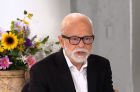
Mark Hancock is the CEO of Trail Life USA, a character, leadership, and adventure organization that is both Christ-centered and boy-focused. Trail Life USA partners with churches and parents across America as the premier national character development organization for young men which produces generations of godly and responsible husbands, fathers, and citizens. In over 1,100 churches in all 50 states, fathers and sons are connecting, relationships are deepening, and legacies are beginning as a new generation of godly leaders rises.