PayPal drops 'hate,' 'intolerance' from rules after ADF challenges debanking policies

PayPal has dropped the words “hate” and “intolerance” from its rules on banned transactions after the legal advocacy group Alliance Defending Freedom objected to the company’s policies before a federal banking regulator.
The payment company’s old rule barred transactions involving “the promotion of hate, violence, racial or other forms of intolerance that is discriminatory,” ADF said in a statement. The new wording limits the ban to discrimination against traits “protected under applicable law.”
PayPal will also narrow its rule against “misleading information.” Under the change, the rule will cover only messages about PayPal transactions. Customer speech on other subjects falls outside the narrower rule.
PayPal updated its Acceptable Use Policy this week, after outlining the changes in a Sept. 15 letter to the FDIC.
The company also posted a new statement on its frequently asked questions page saying it bases account decisions “on account activity, not a customer’s religion, race, disability, gender, sexual orientation, national origin, political affiliation, or any characteristic protected under applicable law.”
ADF filed a comment in July with the Federal Deposit Insurance Corp. In it, the group warned that PayPal’s terms allowed the company to remove users for “hate,” “intolerance” and “misleading information,” among other subjective standards.
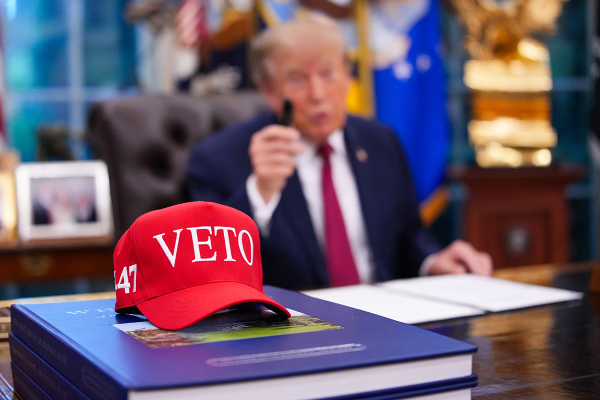
The group said such terms could amount to “politicized or unlawful debanking” under Executive Order 14331, which President Donald Trump issued.
According to ADF, the order states that Americans should not lose access to financial services because of beliefs protected by the Constitution or by statute.
The letter to the FDIC set out evidence that PayPal had closed or frozen accounts under its earlier terms for reasons that appeared tied to what customers lawfully believed or said about politics.
PayPal froze accounts held by the Free Speech Union and by its founder in 2022. That same year it froze accounts held by Moms for Liberty and restored them only after public criticism.
PayPal has applied to the FDIC to insure deposits at PayPal Bank, an industrial bank it plans to set up in Utah. ADF withdrew its objection to that application after PayPal notified the FDIC of the policy changes.
The group said it based the decision on its understanding that the revised policy applies only to unlawful discrimination and leaves lawful religious practice and speech untouched.
Jeremy Tedesco, an ADF senior counsel who is also senior vice president for its Counter-Censorship Task Force, said no American should have to worry about losing a bank or payment service over their faith or politics.
“PayPal has a history of mixing business with politics, and its customers pay the price when they are punished for holding views the company dislikes,” Tedesco said.
He called PayPal’s commitments an important step and said ADF would watch to make sure the changes are carried out and enforced fairly. He also urged other banks and financial firms to drop terms such as “hate” and “misinformation” in favor of clear and objective rules.
Caleb Dalton, another ADF senior counsel, praised PayPal for the changes, saying they advance the company’s “commitment to fair, consistent, and objective account management.”
ADF said most of the largest U.S. banks have changed their policies along the same lines in the last few years. The group pointed to a recent report by the Office of the Comptroller of the Currency that it said showed lenders and other financial firms relying on vague policies to treat lawful activities and opinions unfairly, particularly religious and conservative views.
Conservatives have long complained that vague policies let banks cut them off. Trump has said major banks refused his business after the Jan. 6, 2021, riot at the U.S. Capitol, which the banks have denied was politically motivated.
Trump signed Executive Order 14331, titled “Guaranteeing Fair Banking for All Americans,” on Aug. 7, 2025, according to the Federal Register. The order directs federal banking regulators to remove “reputation risk” from their guidance and to identify institutions that have engaged in politicized or unlawful debanking.
In December 2025, the OCC released preliminary findings on the nine largest national banks it supervises. The agency said those banks had restricted services between 2020 and 2023 to some lawful industries, including firearms, coal mining and digital assets.