5 controversial voting laws in the US, from Minnesota's vouching system to noncitizen voting
1. Minnesota's 'vouching' law and O'Keefe's felony charge
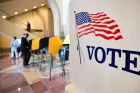
Registered voters in Minnesota can "vouch" for the supposed residency of up to eight other eligible voters in their precinct for same-day voter registration by signing an oath under penalty of perjury, which substitutes for documentary proof of address. Residential facility staff can vouch for an unlimited number of residents.
Critics have argued that Minnesota's vouching policy, which has been on the books since 1973, creates significant fraud risks, especially with same-day registration and the fact that the state generally doesn't require photo ID for already-registered voters. Others note that very few take advantage of the vouching system, with about 19,000 out of 3.2 million voters in Minnesota doing so in the 2024 general election.
In a video published in August, undercover journalist James O'Keefe of O'Keefe Media Group illustrated the potential consequences of the law by visiting multiple polling places in Minneapolis for the primary. Dressed up as a Muslim man, he successfully "vouched" for three other people without ID, including fellow activist Cam Higby, whom he claimed was his "transgender wife."
CAUGHT INSIDE MINNEAPOLIS POLLING BOOTHS: Minnesota Poll Workers Tell O’Keefe, Dressed in Muslim Garb, & @camhigby, in a Burka, That They Can Vouch for Eight Unregistered Voters Without ID, Allowing Them to Vote in Minnesota Primary Election Election worker says, “You’re the ID,” referring to the registered voter serving as identification for the people they are vouching for. Election worker confirms O’Keefe’s question about unregistered voters being vouched for: “I can vouch for them. They are not registered… That’s okay. That’s fine. Yeah!” Election worker explains that a registered voter in the same precinct can vouch for up to eight people: “If you’re all in the same precinct and you are already registered, you can vouch for them as ID. Eight people.” More reports coming soon from the Justice League. @realmuckraker @anthonyjrubin @camhigby @ctznjusticelg
— James O'Keefe (@JamesOKeefeIII) August 13, 2026
Both O'Keefe and Higby were charged with felony unlawful voting and identity theft for their undercover work, Hennepin County Attorney Mary Moriarty announced in a Wednesday press conference. Moriarty said the men used the names of deceased Minnesotans and of someone who had already voted, and that giving false names and starting the vouching process was enough to justify the charges.
Journalist Anthony Rubin made a similar video that month in which he visited a Minnesota polling place saying he wanted to vouch for several people he claimed were members of Hamas who had just arrived from the Gaza Strip. The fictitious terrorist ties of the individuals had no effect on his ability to help them vote.
BREAKING: Hidden camera captures Minnesota poll workers confirming alleged foreign terror organization members can vote if vouched for. We put Minnesota’s voter “vouching” system to an extreme test by asking if it was okay to vouch for alleged Hamas militants who had recently come to America from the Gaza Strip. An election worker said, “You can vouch for up to 8 people,” and added, “If you’re vouching for them, they wouldn’t need to show anything,” referring to the alleged Hamas members we asked about registering to vote. We were also told that the person doing the vouching “is the documentation.” Minnesota Secretary of State @MNSteveSimon continues to claim the vouching system is safe and secure. Our investigation shows the opposite. We are calling for a formal audit of Minnesota’s voter vouching system. This report was produced in partnership with @ctznjusticelg
— Muckraker (@realmuckraker) August 17, 2026
Minnesota Secretary of State Steve Simon has defended the vouching policy, noting in a letter to the U.S. Department of Justice earlier this year that other states also allow some forms of vouching, according to VoteBeat. Simon described O'Keefe's undercover video at the time as "outrageous and totally unacceptable."
Jon Brown is a reporter for The Christian Post. Send news tips to jon.brown@christianpost.com