5 controversial voting laws in the US, from Minnesota's vouching system to noncitizen voting

4. Local 'noncitizen' voting
While laws prohibit noncitizens from voting in federal and most state elections, the District of Columbia and approximately 20 municipalities allow them to vote in local races such as municipal or school board elections, usually with residency requirements.
When the D.C. City Council passed the Local Resident Voting Rights Amendment Act of 2022, it amended the District of Columbia Election Code of 1955 to allow noncitizens to vote in local elections for mayor, city council, attorney general, school board, advisory neighborhood commissioner, as well as any initiative or referendum before District residents.
Takoma Park, Maryland, which borders D.C., has allowed noncitizens to vote in municipal elections since 1993, following a city charter amendment approved in 1992. The practice has spread to about 15 additional Maryland municipalities in the D.C. area, including Hyattsville, Mount Rainier and Greenbelt.
In 2023, Democratic Takoma Park Mayor Talisha Searcy issued a proclamation celebrating "with pride" the city's 30-year anniversary of allowing noncitizens to vote, as well as the 10-year anniversary of becoming the first jurisdiction in the U.S. to lower the voting age to 16. An NPR story published in 2022 examined the role low-income immigrants have played in shaping the local politics of Takoma Park, where more than 30% of residents were born outside the U.S., according to census data.

Other cities that allow noncitizens to vote in local elections include Burlington, Montpelier and Winooski in Vermont. In San Francisco, noncitizen parents, legal guardians and caregivers can vote in school board elections, though they must prove they are the caregiver of a child in the city and must register specifically for each election cycle.
Most states have explicitly passed constitutional provisions restricting voting rights to U.S. citizens. The Illegal Immigration Reform and Immigrant Responsibility Act of 1996 bars noncitizens from voting in federal races, though issues with automatic voter registration via the DMV in states such as Oregon have raised concerns about noncitizens being enrolled to vote anyway.
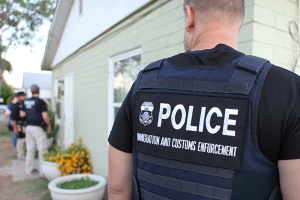
In July, Secretary of Homeland Security Markwayne Mullin delivered a press conference expressing concern regarding vulnerabilities in the election system. He promised to hunt down and prosecute illegal voters in the U.S., claiming that DHS discovered about 250,000 noncitizens are illegally registered to vote in just four states. Both Mullin and President Donald Trump have claimed that U.S. intelligence officials purposely concealed the extent of election fraud.
Jon Brown is a reporter for The Christian Post. Send news tips to jon.brown@christianpost.com