Former late-night talk show host Stephen Colbert prompted backlash this week for expressing a view of the afterlife that some critics described as Gnostic or otherwise antithetical to his professed Roman Catholicism.
At first glance, the question seems compelling. It appeals to our sense of fairness. It sounds humane. But it also reveals something deeper, something often misjudged.
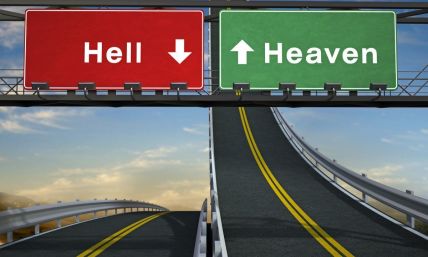
New research reveals that most self-identified Christians think doing “good things” for others is enough to secure them a spot in Heaven, in what one leading researcher views as the latest example of a widespread embrace of “unbiblical beliefs” among American Christians.
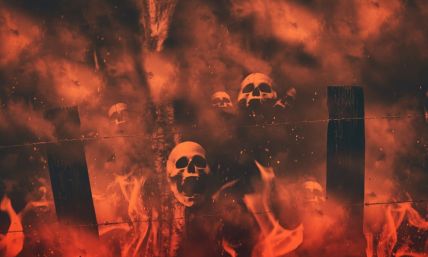
A Buddhist monk-turned-Evangelical pastor has opened up about briefly experiencing Hell during a near death experience, describing it as a barren wasteland full of giant demons, “agony” and “fear.”
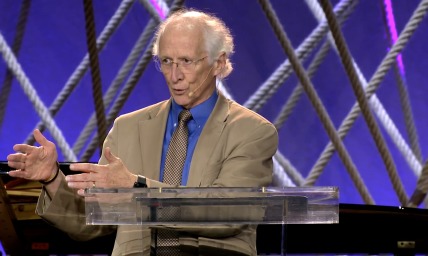
John Piper addressed a listener’s fear of eternity becoming monotonous, explaining why Heaven, despite its boundlessness, will never become boring for those who trust in Christ.
Belief in the afterlife is rising among Americans, notably even among those who identify as religious “nones,” or individuals with no formal religious affiliation. An analysis of recent data indicates a marked increase in afterlife belief among non-religious Americans, climbing from roughly 50% in the 1970s to around 60% today.
Pastor Greg Laurie recently offered a clear presentation of the Gospel and the hope of Heaven to psychologist Jordan Peterson in a wide-ranging conversation addressing faith, personal loss and the universal search for purpose.