When TV announcers dubbed a Giants fan “mom of the year,” strangers online told her to divorce her husband. Her response, and new research on religious marriage, expose a myth our culture keeps reviving.
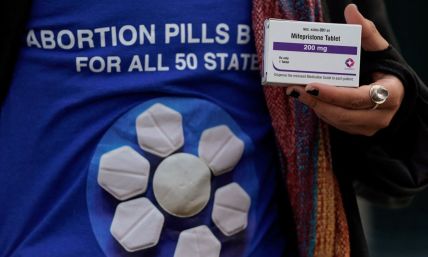
We are four women from four different states. Two of us got abortion drugs online and two in person, but we share one conviction: women deserve to know the risks.
Every Sunday, women who have had abortions sit in church and hear that God forgives sin. But when abortion is never named, many conclude that the promise doesn't include them, and they take the pastor's silence as judgment.
Ancient family trees did not bother to list women. Matthew's genealogy of Jesus lists four, and every one of them arrives with a scandal attached. That is not carelessness. It is the whole point.
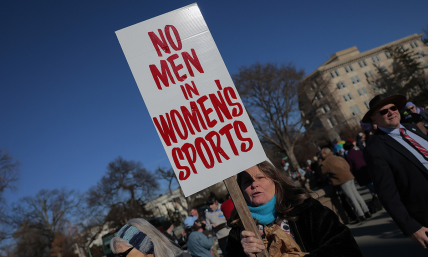
As Democrats seek to gain control of the U.S. Senate and make gains in gubernatorial races in states that favored President Donald Trump in the 2024 presidential election, several Democratic candidates running for office have shifted their positions on some issues, including insisting they now oppose allowing trans-identified male athletes to compete in girls' sports.
The scapegoating rage now swirling online rests on the same structures that once entrapped abused women — the very structures out of which resentment and feminist attitudes first arose.
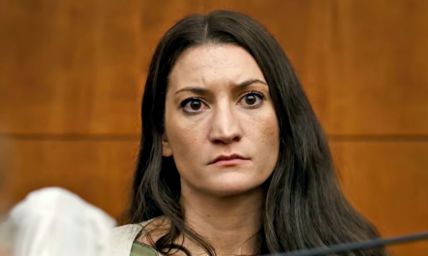
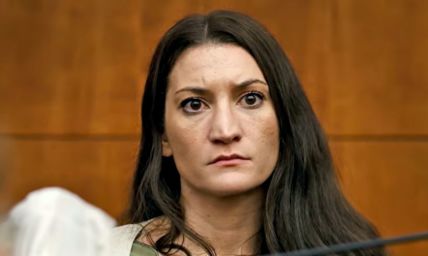
The case of Lindsay Clancy, a Massachusetts mother on trial for strangling her three children to death with exercise resistance bands in the basement of the family's Duxbury home, has divided the nation. Some say the mother's case is shining a light on postpartum struggles, while others say public support for her exemplifies misguided compassion.
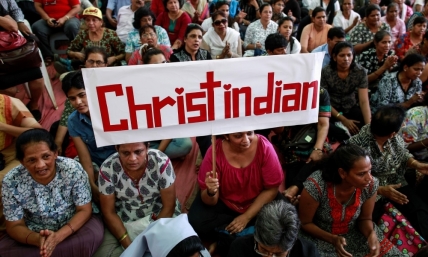
Twenty-two Christian women are facing criminal charges after police in Maharashtra, India, accused them of trying to convert an 18-year-old student just days before a stringent new anti-conversion law took effect in that state.