Facebook Can Cause Social Disorders For Teens
Besides stealing a majority of your child's attention, Facebook can also have other harmful effects on them, a recent study has said. According to Larry Rosen, a psychologist at Cal State Dominguez Hills, Facebook can form unhealthy habits and even develop personality disorders in your child.
Rosen has been studying the effect of technology on people for more than 25 years. He’s done several recent studies on social networking and its effects on children. He revealed some of his findings at the American Psychological Assn’s annual convention in Washington, D.C. on Saturday.
His study showed that teens that use more technology, like video games or the internet, tended to have more stomach aches, sleeping problems, anxiety and depression, and they often missed more school.
He also stated that teens and young adults that log onto Facebook constantly tend to be more narcissistic. He added that social networking feeds into a narcissist’s agenda perfectly by allowing the user to broadcast themself 24/7 to others.
According to Rosen, the more frequently young people used Facebook, the more likely they were going to develop an antisocial personality disorder. He also said they were likely to suffer from paranoia, anxiety and alcohol abuse.
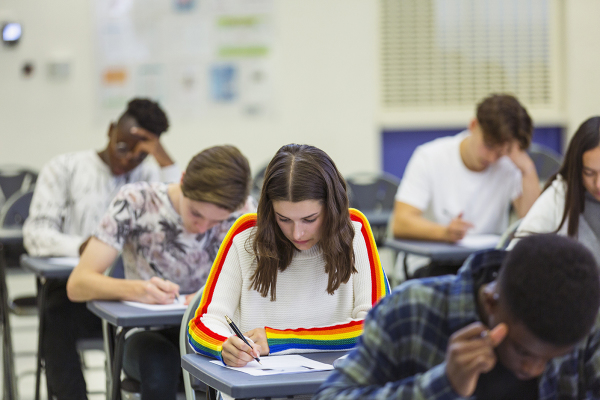
He also analyzed the studying habits of middle school, high school and college students. What he found was that most students were only able to stay focused on their studies for about three minutes before engaging in some kind of communication like texting or mobile phone apps. The students who logged in to their Facebook during studying ended up doing worse on their exams than those that didn’t.
According to experts the average teenager sends out more than 2000 texts per month, which is an overwhelming amount of information that can lead to problems with sleep and concentration along with physical stress.
Rosen said, “Kids have been raised on the concept of connection.”
This is why texting and social media is so popular among children. He adds that it’s not the quality of connection that matters to them, but the connection itself. Texts and social media allow them to speak to many more people at the same time than a phone or face-face interaction ever would.
He feels that parents should have constant, open conversations with their kids about how they are using technology, and not make judgments so they feel comfortable discussing how they behave with other kids online. This could make children more aware that what they say online can hurt others and help them to avoid cyber-bullying.
On a positive note he stated that social media allows kids to practice life behind a safety curtain, allowing them to share personal information with their friends and not have to deal with their reactions right away. This could be a real plus for shy kids and could help to get them out of their shells according to Rosen.