Finnish MP Päivi Räsänen files appeal after conviction for quoting the Bible

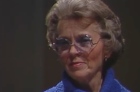
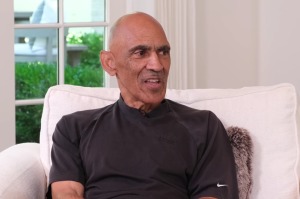
Päivi Räsänen, a Finnish member of parliament and former interior minister, filed an appeal to the European Court of Human Rights this week following her March conviction for expressing Christian beliefs about marriage and sexual ethics in a 2004 church booklet.
Two lower courts unanimously acquitted her in 2022 and 2023, but the state prosecutor appealed to Finland's Supreme Court, which convicted her in a narrow 3-2 decision on March 26.
The Supreme Court convicted Räsänen, Lutheran Bishop Juhana Pohjola, and the Luther Foundation Finland for publishing the 2004 booklet, according to the legal advocacy group ADF International, which is representing Räsänen before the European Court.
All three face thousands of Euros in fines, and the court ordered that statements from the booklet be removed from public access and destroyed.
The legal battle began in 2021 when Räsänen was charged under a section of the Finnish criminal code titled “war crimes and crimes against humanity” for agitation against a minority group. The prosecution targeted her 2019 tweet and participation in a live radio debate expressing Christian beliefs about marriage and human sexuality, in addition to the 2004 booklet.
In the appeal, the state prosecutor specifically mentioned the 2019 tweet and the 2004 booklet. When the case was heard Oct. 30, 2025, the court upheld the acquittal for the Bible verse tweet but convicted her on the booklet charge.
A separate radio show charge was never appealed to the Supreme Court, so that acquittal stands.
The prosecution’s pursuit of the case stretched through multiple judicial levels over a seven-year period, beginning with the 2021 charging decision.
The Supreme Court applied a law that was introduced years after the booklet was published to reach its guilty verdict. The retrospective application of legislation raised questions about the rule of law and legal certainty.
The decision came despite the court’s own acknowledgment that the booklet contained no “incitement to violence or comparable threat-like fomenting of hatred.”
Räsänen, a medical doctor and grandmother of 12, has weathered a prosecution spanning nearly seven years. She testified before the U.S. Congress in February on threats to free speech in Europe.
The case has drawn international attention from religious freedom advocates who say Finland’s handling of the matter signals a troubling trend in European law.
The appeal to the European Court of Human Rights represents her final legal opportunity to overturn the conviction.
The case before Europe’s highest human rights court arrives amid growing international concern over freedom of speech in Europe, as countries use overbroad hate speech laws that criminalize peaceful expression of certain religious beliefs.
The outcome of Räsänen’s appeal is likely to influence how European courts balance hate speech legislation against protections for religious expression and freedom of conscience. At stake is whether European democracies can maintain space for dissenting views on questions of religious ethics and belief.
In July, Räsänen’s Electronic Travel Authorization for the U.K. was canceled, though it had been approved in June. Bishop Pohjola also applied for U.K. travel approval and was denied clearance. The authorities offered no detailed explanation beyond stating she was “not eligible for an ETA.”
The cancellation has also prevented Räsänen from attending a religious freedom conference scheduled for Belfast in August, where she was invited to deliver the keynote speech on the importance of free speech.
Räsänen said the denial was "shocking and deeply ironic" given she was invited to discuss fundamental freedoms but is prevented from doing so due to her conviction for expressing protected speech.
Lorcán Price, a barrister at ADF International representing Räsänen, called her U.K. travel ban disproportionate and unnecessary. He said her criminal conviction for peacefully expressing Christian beliefs and the subsequent travel restrictions point to a European crisis of censorship related to religious expression.