

Ed Feulner
CP Op-Ed Contributor
Latest
Ronald Reagan's Tax-Cutting Legacy
President Reagan had a gift for proving his critics wrong. Almost none of the leading economists of the late 1970s thought that his supply-side tax-cutting agenda, along with stable monetary policy and deregulation, could revive the U.S. economy.
The Fallout of a Bad Deal With Iran
Ever since 9/11, whenever Americans seem especially polarized over a controversial issue, you'll hear pundits recall how united we'd became in the aftermath of that vicious attack. Why, they ask, can't we be like that again?
Getting the Religious Freedom Restoration Act Right
"They won't go to Indiana, but they will go to Saudi Arabia." That's Carly Fiorina speaking about Apple CEO Tim Cook and his well-publicized opposition to Indiana's religious-freedom law.
Protecting the First Amendment and Muzzling the Marketplace of Ideas
"Congress shall make no law abridging the freedom of speech." The words of the First Amendment couldn't be plainer. Yet more than two centuries after the Bill of Rights was written, they remain the subject of fierce debate.
Why Gasoline Prices Are Down and How to Keep Them Low
If you're like most Americans, you haven't been questioning the welcome drop in gasoline prices. You just fill 'er up and feel grateful that you're spending less.
Our Great Charter of Liberty
When July 4 rolls around, there's no mistaking it. There are fireworks, parades and other patriotic tributes to our Declaration of Independence. But if you're like most Americans, September 17 comes and goes without any fanfare.
Isolating the Islamic State
It's good to see President Obama move beyond the "we don't have a strategy yet" phase in the fight against the Islamic State.
Economic Indicators: Our National GPS Device
You've no doubt seen those polls where Americans are asked if they think our country is heading in the right direction. Perhaps you've even been asked that yourself.
Assessing the Great Society
As ambitious government programs go, it's hard to top the "Great Society," which recently marked its 50th anniversary. President Lyndon Johnson, after all, vowed "to give every citizen an escape from the crushing weight of poverty."
A Costly Way to Limit Free Speech
Imagine if Congress passed and the president signed a law making it a crime to utter "false, scandalous and malicious" statements "against the government." Think that would violate your right to free speech?
Most Popular
Assemblies of God executive, Pastor Rod Loy, denies sexual abuse claims made by former youth pastor’s wife
Are the End Times near? Frank Turek's warning, revelation on why Second Coming is 'veiled'

Female wrestler says male opponent sexually assaulted her, school delayed reporting incident
First-ever LGBT judge in Texas county suspended after ordering attorney to be handcuffed, placed in jury box
Democrats dismiss House hearing on Sharia threat, warn of 'white Christian nationalism'
MUST READ
Nancy Guthrie’s pastor prays for her safe return, for God to soften hearts of kidnappers

New York Times bestselling author Lee Strobel on suffering, the supernatural and 'The Case for Miracles'

This week in Christian history: St. Athanasius exiled; Cotton Mather dies

Top court to hear cases against Turkey labeling Christians ‘security threat’

Lawmakers gather for prayer, repentance in DC amid deep divisions: 'Holy desperation'

Trump's week in review: Nat'l Prayer Breakfast, TrumpRx, guidance on religious expression in public schools
6 times top Democrats warned against illegal immigration, called for deportations

American Society of Plastic Surgeons advises against sex-change surgeries for minors in new statement
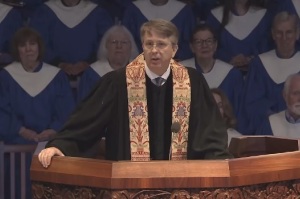
'Everything ends': Highland Park UMC pastor steps down amid Parkinson's fight

4 highlights from 'Melania' documentary about the first lady and her family
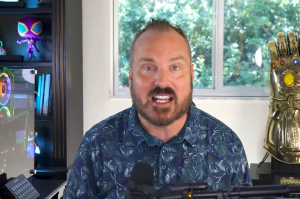
Shawn Bolz and false prophets: 4 ways data harvesting has been used (part 1)
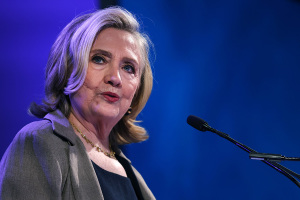
Hillary Clinton likens Trump to Nero, attacks Douglas Wilson as 'Christian nationalist'

5 things to know about the 2026 midterm elections

DC church sees 2,000% growth as Gen Z, millennials seek answers through faith

5 things to know about Trump's Board of Peace








