China issues arrest warrants for 6 Hong Kong pro-democracy activists, including US citizen

Police in Hong Kong issued arrest warrants for six pro-democracy activists living in exile, including in the United States, for violating a controversial China-imposed national security law in the semi-autonomous city.
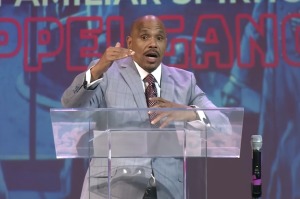
The six named include U.S. citizen Samuel Chu, former U.K. consulate worker Simon Cheng and activists Nathan Law and Ray Wong Toi-yeung, and the charges include taking part in secession efforts and colluding with foreign powers, according to the U.S.-based group China Aid.
“I think they want to cut off our connection with people in Hong Kong ... it will make people fear that they may violate the national security law by contacting us,” Wong, who is currently in the United Kingdom, told Reuters.
“That Hong Kong has no place for even such moderate views like ours underscores the absurdity of Chinese Communist rule,” Law, who is also in the U.K., was quoted as saying.
Hong Kong government recently delayed legislative elections, which were supposed to be held in September, for a year as pro-democracy candidates could have won due to anger among the city’s people against the new national security law.
The law, which went into effect without a review by Hong Kong Chief Executive Carrie Lam, has four categories of crimes: succession, subversion of state power, local terrorist activities and collaborating with foreign or external foreign forces to endanger national security.
“The law also positions Beijing as over the Hong Kong judicial system in cases deemed related to national security,” China Aid said. “This means that the judges in these cases must be Beijing-approved. Hong Kong residents can now also be taken to China, where they will face a courtroom with allegiance to the government.”
In 1997, China had agreed for a “one country, two systems” arrangement to allow certain freedoms for Hong Kong when it received the city back from British control. The security law undercuts the promised autonomy.
“This law fundamentally compromises one-country, two-systems, and breach of the handover agreement. The details emerging put human rights in jeopardy,” the U.K.-based group Hong Kong Watch wrote on Twitter after a draft of the law was revealed in June.
After the passage of the new security law, President Donald Trump approved sanctions on Chinese officials and banks and also ended Hong Kong's preferential treatment, saying it will now be "treated the same as mainland China."
Sen. Rick Scott from Florida had commented earlier, “Communist China continues their mission to destroy human rights and autonomy in #HongKong. Its plans to suffocate and intimidate those fighting for their basic rights is clear. The US continues to stand with the people of HK.”